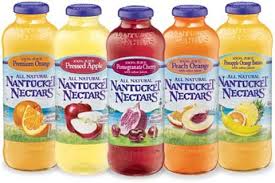
The beverage landscape has seen countless brands rise and fade, but few possess the narrative depth and cultural aura of Nantucket Nectars. Rooted in a blend of entrepreneurial spirit, island imagination, and fruit-forward innovation, this brand occupies a unique place in the beverage category. Where many companies emerge through corporate planning or market-gap analysis, Nantucket Nectars was born from an almost accidental blend of curiosity and opportunity, shaped by two individuals who transformed a local idea into a national product line. The brand’s origin story remains one of its most enduring pillars, influencing marketing, perception, and consumer loyalty.
At the heart of the story are the co-founders Tom First and Tom Scott, a partnership often remembered as “Tom and Tom.” Their dynamic—built on experimentation, humor, and relentless creativity—served as the foundation for what became an iconic premium juice brand. Long before the beverage category was saturated with “craft,” “organic,” or “small-batch” promises, they created products that felt personal, flavorful, and tied to a real place.
The result was more than just a beverage. It became a symbol of East Coast coastal culture, summer nostalgia, and the pursuit of authenticity.
Origins and Founders: The Mythology of Tom and Tom
The origin story is one of the most compelling aspects of Nantucket Nectars. It underscores how curiosity and simple observation can unearth unexpected business opportunities. The founders, Tom First and Tom Scott, didn’t intend to create a national beverage company. They began with a small waterfront business on Nantucket Island, delivering goods to yachts. The service required adaptability, quick thinking, and a commitment to quality—attributes that translated directly into their beverage development process.
One widely retold moment in the brand’s lore is the discovery of peach juice in Europe, which inspired the idea of creating fresh, flavor-rich juices back home. This moment exemplified their creative drive: take something simple, make it better, and give people an experience they didn’t know they wanted. Nantucket, with its strong traditions, seasonal magic, and maritime charm, became more than just the birthplace—it became the brand itself.
The Role of Nantucket Island in Shaping Brand Personality
Nantucket is not simply a geographic origin; it’s a character within the brand narrative. The island’s boutique aesthetic, historic lighthouses, cobblestone streets, and coastal flavors manifest in the brand’s identity. When consumers imagine Nantucket Nectars, they often picture sunny docks, cool breezes, and beachside relaxation. That imagery has proven incredibly powerful from a marketing psychology standpoint.
Several factors define the brand’s island-driven personality:
- A sense of simplicity and natural beauty.
- A preference for authentic, honest storytelling.
- A lifestyle connected to ocean discovery and local culture.
- A representation of East Coast coastal heritage.
Consumers often favor products that feel tied to a real place and story, and Nantucket’s reputation for charm and tradition strengthens the brand’s emotional resonance.
Product Philosophy and Flavor Development
Central to Nantucket Nectars’ success is its emphasis on flavor. The founders didn’t aim for watered-down, sugar-heavy drinks. Instead, the early formulations prioritized boldness, fruit integrity, and refreshing clarity—attributes that differentiated them from competitors during the launch period.
The brand’s flavor development is anchored in three principles:
Authentic Fruit Expression
Many early beverages aimed to replicate real fruit experiences. Instead of dilute imitations, flavors were designed to mimic the experience of biting into actual peaches, plums, apples, or berries.
Seasonal Inspiration
The island environment encourages seasonal appreciation. This mindset influenced how the founders approached flavor creation—evoking sun-ripened summer fruit or crisp orchard freshness.
Balanced Sweetness
The drinks sought to avoid excessive sweetness, instead focusing on natural flavor arcs that evolve from initial freshness to mellow finishes.
Early Signature Flavors and Their Cultural Impact
Many early flavors became beloved staples, forming the backbone of the brand’s fanbase.
Peach Orange
Known for its aromatic appeal and smooth sweetness, Peach Orange represented the founders’ early European inspiration. It remains associated with casual summer drinking and coastal nostalgia.
Apple
Crisp, classic, and familiar, the apple flavor reflected the brand’s ability to elevate everyday fruits into sensory standout experiences.
Raspberry Lemonade
One of the most recognizable offerings, this flavor blended tart brightness with a joyful berry edge, making it a favorite for consumers seeking both refreshment and vibrancy.
Half and Half
Inspired by iced tea traditions, Half and Half balanced citrus with rich tea notes, appealing to fans of hybrid beverages.
Each flavor, beyond its taste, told a story. They became staples in college cafes, coastal markets, road-trip coolers, and nostalgic memories across generations.
Packaging Evolution and Visual Identity
Packaging plays a significant role in brand perception, and Nantucket Nectars has always excelled in this area. The glass bottles, with their curved silhouettes and colorful labels, evoke freshness, quality, and premium appeal. The brand capitalized on several design strategies:
Island-Themed Illustrations
Labels often feature maritime colors, stylized fruit images, and scenic artwork reflective of Nantucket’s ambiance.
Transparent Bottles
Clear packaging supports psychological transparency, allowing consumers to judge the product visually and increasing trust in the brand’s authenticity.
Handwritten-Style Typography
Fonts simulate personal notes or handcrafted labels, reinforcing authenticity and small-batch appeal.
Visual Storytelling
The branding evokes a lifestyle rather than just a product. The visuals remind buyers of summer picnics, beach days, and laid-back afternoons, creating an emotional extension of consumption.
Brand Values and Consumer Psychology
Several core values have shaped how consumers perceive the brand:
Authenticity
Consumers are drawn to the honest founding story, the emphasis on natural fruit flavors, and the clear design language.
Community
The brand grew through grassroots promotion, regional loyalty, and relatable storytelling that connects with consumers at a personal level.
Quality
The visual appearance, rich taste profiles, and premium bottling collectively reinforce the perception of high craftsmanship.
Nostalgia
For many, the brand represents childhood summers, road trips, or café treats from the late 1990s and early 2000s. Nostalgia remains a powerful marketing force, often overshadowing rational product comparisons.
Expansion from Regional Favorite to National Recognition
Growth required strategic scaling. The Toms expanded distribution thoughtfully, leveraging local enthusiasm before entering broader retail spaces. They embraced unconventional marketing tactics, including storytelling on bottle caps—small but memorable touches that encouraged brand engagement.
As distribution expanded, certain flavors gained cult followings in specific regions, contributing to varied geographic popularity pockets. This organic expansion made the brand feel simultaneously local and national, a rare feat in the beverage industry.
Consumer Segments and Behavioral Insight
The brand appeals to multiple types of consumers:
The Nostalgic Consumer
Often older millennials or Gen Xers who grew up with the brand and associate it with formative memories.
The Flavor-Driven Explorer
Consumers who prioritize taste experience and look for bold, fruit-rich beverages.
The Lifestyle-Oriented Buyer
Individuals who value products symbolizing coastal serenity or artisanal tradition.
The Casual Health-Conscious Drinker
Those who prefer juice-based beverages over carbonated sodas, even if not strictly scanning nutrition labels.
Understanding these archetypes helps define the brand’s unique consumer psychology.
Leave a Reply