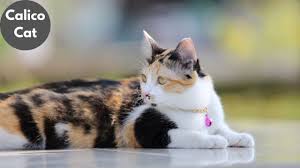
Calico cats are some of the most beloved felines in the world, known for their striking tri-color patterns, charming personalities, and unique genetic traits. Many pet owners wonder how long these beautiful cats live and what factors influence their lifespan. In this detailed guide, we explore the average life of a calico cat, discuss the science behind their longevity, highlight the factors that can shorten or extend their lives, and provide actionable strategies to ensure your calico enjoys a long and healthy life.
Overview of Calico Cats
Calico cats are not a distinct breed but a color pattern characterized by a combination of white, black, and orange fur. The pattern can appear in many breeds, including American Shorthair, Persian, Maine Coon, and Japanese Bobtail. Understanding this distinction is essential because lifespan can be influenced by breed-specific health conditions in addition to the coat pattern.
Calico cats are almost exclusively female due to the genetic mechanism associated with the X chromosome, which determines fur coloration. Male calicos are extremely rare and often have genetic abnormalities such as Klinefelter syndrome, which can affect their health and lifespan.
Average Lifespan of a Calico Cat
Most studies and veterinary sources indicate that calico cats generally live between 12 and 16 years, though some can surpass 18 years with optimal care. Factors such as genetics, breed, diet, environment, and medical attention play a significant role in determining where a cat falls within this range.
Indoor cats tend to live longer than outdoor cats due to reduced exposure to accidents, predators, diseases, and environmental hazards. The care provided by the owner, including diet, preventive health measures, and mental stimulation, directly impacts the cat’s longevity.
Factors Affecting the Lifespan of Calico Cats
Genetic Factors
Genetics significantly influence lifespan. Female calicos have two X chromosomes, which allows for the unique tri-color pattern. Male calicos, possessing an extra X chromosome, may suffer from genetic disorders like Klinefelter syndrome. These conditions can lead to:
- Sterility
- Hormonal imbalances
- Increased susceptibility to certain diseases
Understanding the genetic background of a calico can help anticipate potential health challenges.
Breed Considerations
While calico is a color pattern, the underlying breed can affect lifespan. For example:
- Persian Calico Cats: Often live 12-17 years but are prone to polycystic kidney disease.
- Maine Coon Calico Cats: Can live 12-16 years and may face heart-related issues such as hypertrophic cardiomyopathy.
- American Shorthair Calico Cats: Typically live 15-18 years with relatively fewer genetic health problems.
Identifying the breed helps in tailoring preventive care and monitoring for breed-specific conditions.
Environmental Factors
Indoor versus outdoor living is one of the most significant determinants of lifespan. Outdoor cats are more susceptible to:
- Traffic accidents
- Predators and fights with other animals
- Exposure to infectious diseases
- Environmental toxins
Conversely, indoor cats are generally safer and have access to controlled diets, regular veterinary care, and consistent mental stimulation.
Diet and Nutrition
Proper nutrition is critical to a calico cat’s longevity. Feeding your cat a balanced diet can prevent obesity, diabetes, and other chronic conditions. Key considerations include:
- High-quality protein sources
- Essential fatty acids for coat health
- Vitamins and minerals for immune support
- Controlled portions to prevent obesity
Cats with poor nutrition are more likely to develop health issues that shorten their lifespan.
Veterinary Care
Regular veterinary check-ups are essential to identify and prevent diseases early. Vaccinations, parasite control, dental care, and annual health screenings contribute significantly to a cat’s overall longevity. Early detection of conditions like kidney disease, diabetes, or heart problems can extend life expectancy significantly.
Stress and Mental Health
Cats are sensitive creatures, and stress can impact their physical health. Factors that reduce stress and promote mental wellness include:
- Safe indoor environment
- Access to toys and scratching posts
- Routine and consistency in care
- Positive social interactions
Chronic stress can lead to health problems that indirectly shorten lifespan.
Common Health Conditions Affecting Calico Cats
Several health issues may influence the lifespan of calico cats:
- Urinary Tract Disorders: More common in female cats, these conditions can lead to kidney damage if untreated.
- Obesity: Leads to diabetes, arthritis, and heart disease.
- Heart Disease: Certain breeds are predisposed, requiring early screening.
- Dental Issues: Poor dental hygiene can lead to systemic infections affecting organs like the heart and kidneys.
- Genetic Disorders in Male Calicos: Male calicos may face reduced lifespan due to genetic complications.
Differences Between Male and Female Calico Cats
Female calicos are generally healthier and live longer than their rare male counterparts. Male calicos usually result from genetic anomalies and often experience health challenges that reduce their lifespan. Understanding this difference helps owners set realistic expectations and prepare for potential medical interventions.
Longevity Tips for Calico Cats
Ensuring your calico cat lives a long and healthy life involves a combination of preventive measures, proper nutrition, environmental management, and regular veterinary care. Key strategies include:
Balanced Diet
Feed your cat high-quality food tailored to its age, breed, and health needs. Avoid excessive treats and maintain portion control to prevent obesity.
Indoor Environment
Provide a safe indoor living space that minimizes risk while offering enrichment through toys, climbing structures, and interactive play.
Regular Veterinary Visits
Schedule annual or semi-annual check-ups, vaccinations, and dental care. Early intervention is crucial for prolonging life.
Exercise and Mental Stimulation
Keep your cat active to maintain muscle tone and mental sharpness. Puzzle toys, playtime, and interactive sessions improve overall health.
Stress Reduction
Minimize stress by maintaining routine, providing safe hiding spaces, and avoiding abrupt changes in the environment.
Preventive Health Monitoring
Monitor for early signs of illness such as changes in appetite, weight, behavior, or litter box habits. Prompt attention can prevent minor issues from becoming life-threatening.
Interactive Tools and Life Expectancy Estimators
Using lifespan calculators and interactive tools can help owners estimate their calico cat’s expected lifespan based on individual factors like diet, living environment, medical history, and genetic predispositions. These tools provide personalized guidance and reinforce proactive care strategies.
Myths and Misconceptions About Calico Cats
Several myths exist regarding calico cats and their lifespan:
- Myth: Calico cats live longer because of their color pattern.
Fact: Lifespan is influenced more by genetics, environment, and care than coat color. - Myth: Male calicos are just like female calicos.
Fact: Male calicos are rare and often have genetic abnormalities affecting health. - Myth: Outdoor cats live healthier lives.
Fact: Outdoor cats face greater risks from accidents, predators, and disease.
Understanding these myths helps owners make informed decisions about care.
Case Studies of Long-Lived Calico Cats
Several calico cats have been documented to live well beyond the average lifespan, providing insights into longevity:
- Case 1: A 19-year-old female calico maintained optimal health through balanced diet, regular veterinary care, and indoor living.
- Case 2: A 17-year-old Maine Coon calico lived a long life with consistent exercise and a stress-free environment.
- Case 3: A Persian calico reached 18 years due to proactive disease management and weight control.
These examples highlight the importance of holistic care in extending lifespan.
Advanced Considerations for Lifespan Optimization
Genetic Testing
Breeders and owners can utilize genetic testing to identify potential health risks and predispositions, allowing for early intervention and preventive measures.
Specialized Diet Plans
Tailored diets addressing breed-specific risks, age-related needs, or health conditions (such as kidney disease or heart problems) contribute to longer and healthier lives.
Environmental Enrichment
Providing mental and physical enrichment reduces stress, encourages activity, and prevents behavioral issues, all of which indirectly affect lifespan.
Technology-Assisted Monitoring
Using smart feeders, activity trackers, and health monitoring devices helps owners detect early changes in behavior or health, enabling timely interventions.
Conclusion
Calico cats are known for their unique coloration, affectionate personalities, and resilience. Their average lifespan ranges from 12 to 16 years, but with proper care, some can live well into their late teens. By understanding genetic, breed-specific, environmental, nutritional, and health-related factors, owners can maximize their calico cat’s lifespan. Regular veterinary care, a safe living environment, a balanced diet, mental stimulation, and stress reduction are key strategies for ensuring a long and happy life. With proactive and informed care, your calico cat can thrive and bring joy for many years.
Leave a Reply