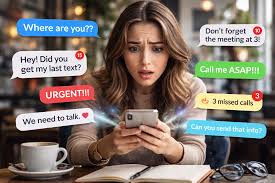
Text messaging has become an integral part of human communication. In recent years, the phenomenon of bombarding someone with texts has emerged as a critical behavioral trend in digital communication. This involves sending an overwhelming number of messages to another person in a short time span, often creating pressure, stress, or anxiety for the recipient.
What Does Bombarding With Texts Mean?
- Sending multiple messages rapidly without waiting for a response
- Repeating similar questions or prompts in a short time
- Creating a sense of urgency or demand in communication
The behavior can be unintentional, such as someone being overly excited, or intentional, as a method of seeking attention, control, or influence.
Key Features of Bombarding With Texts
- Frequency: Multiple messages sent within minutes or seconds
- Content: Can range from simple greetings to demanding answers
- Timing: Often occurs outside typical communication hours
- Recipient Impact: Can cause distraction, stress, or anxiety
Historical Context of Excessive Messaging
Although mobile messaging is a relatively recent phenomenon, the desire to communicate rapidly has always existed.
Early Forms of Bombardment
- Telegrams: Multiple urgent telegrams sent in sequence
- Pager Alerts: Repetitive notifications in the 1980s and 1990s
- Email Flooding: Mass emails or repeated follow-ups in early internet use
Evolution With Mobile Phones
- SMS became mainstream in the 2000s
- Messaging apps like WhatsApp, Messenger, and iMessage increased speed
- Push notifications made constant messaging possible
This historical context demonstrates how technology amplified a human tendency toward rapid, repeated communication.
Psychological Reasons Behind Bombarding Texts
Understanding why people engage in this behavior is crucial for managing and addressing it.
Anxiety and Need for Reassurance
- Individuals may send multiple texts to reduce personal anxiety
- They seek immediate confirmation of feelings, plans, or status
Attention-Seeking Behavior
- Bombarding texts can be a way to gain attention from someone
- Often used in personal relationships or social interactions
Miscommunication and Misinterpretation
- The sender may perceive silence as disinterest
- Leads to repeated messaging to clarify intent
Digital Addiction
- Constant phone checking can make individuals over-rely on texting
- Creates compulsive messaging habits
Social Impacts of Bombarding With Texts
Excessive messaging does not only affect the sender but also the recipient and broader social interactions.
Effects on Relationships
- Can create tension between friends, family, or romantic partners
- Over-messaging is often perceived as intrusive or controlling
Workplace Implications
- Bombarding colleagues with texts can reduce productivity
- Often leads to stress and decreased communication efficiency
Social Norms and Etiquette
- Society is increasingly defining appropriate messaging frequency
- Understanding boundaries is critical to avoid conflicts
Modern Communication Tools and Text Bombardment
Technology has shaped the way we send messages, making text bombardment more common and impactful.
Messaging Apps
- WhatsApp, Telegram, Messenger, Signal, iMessage
- Features like typing indicators, read receipts, and delivery notifications can exacerbate anxiety
Social Media Integration
- Instagram DMs, Twitter messages, Snapchat notifications
- Messages from multiple platforms can create cumulative bombardment
Automation and Bots
- Automated reminders, marketing messages, or spam messages can mimic bombardment
- Distinguishing human intent from automated messaging is necessary
Types of Bombarding Messages
Different styles of text bombardment exist, each with unique characteristics.
Informational Bombardment
- Sending multiple updates or instructions rapidly
- Often seen in workplace communication or team projects
Emotional Bombardment
- Messages conveying feelings or emotions repeatedly
- Can be overwhelming if the recipient is not emotionally prepared
Social/Entertainment Bombardment
- Sharing memes, jokes, or videos in rapid succession
- Can be positive in casual settings but overwhelming if excessive
Aggressive or Controlling Bombardment
- Attempts to dominate, guilt, or pressure the recipient
- Considered manipulative or harmful
Signs You Are Being Bombarded With Texts
Recognizing bombardment is essential to manage its effects.
Frequency Indicators
- Receiving more than 5–10 messages within a few minutes
- Messages arriving without pauses or breaks
Psychological Indicators
- Feeling anxious, stressed, or overwhelmed by messages
- Pressure to respond immediately
Behavioral Indicators
- Difficulty focusing due to constant notifications
- Avoidance or muting of notifications to cope
Strategies to Manage and Respond
Handling text bombardment requires both personal strategies and communication skills.
Setting Boundaries
- Inform the sender about acceptable messaging frequency
- Use features like “Do Not Disturb” or “Mute”
Time Management
- Allocate specific times to check and respond to messages
- Avoid immediate responses to reduce anxiety
Communication Skills
- Respond calmly and assertively
- Encourage respectful messaging behavior
Technical Solutions
- Turn off push notifications for non-critical conversations
- Utilize app features to filter or prioritize messages
Cultural Perspectives on Bombarding Texts
Messaging behaviors vary across cultures, affecting perceptions of bombardment.
High-Context vs Low-Context Cultures
- High-context cultures may expect fewer messages with more meaning
- Low-context cultures may send frequent messages to convey clarity
Generational Differences
- Younger generations tend to text more frequently
- Older generations may prefer calls or emails over rapid messaging
Psychological Effects on the Recipient
Bombardment is not harmless; it can influence mental health and behavior.
Stress and Anxiety
- Repeated notifications trigger stress responses
- Fear of missing out (FOMO) amplifies emotional strain
Reduced Productivity
- Frequent interruptions impact focus and task completion
- Multitasking becomes less effective due to constant messaging
Emotional Impact
- Feeling pressured or controlled can damage trust in relationships
- Emotional fatigue from excessive communication
Health Implications
Text bombardment has physical and mental health effects.
Sleep Disruption
- Late-night messaging interrupts sleep cycles
- Blue light from screens worsens sleep quality
Cognitive Load
- Constant message processing increases mental fatigue
- Reduces attention span and memory retention
Eye Strain and Posture Issues
- Prolonged phone use causes eye discomfort and neck strain
- Ergonomic adjustments can mitigate effects
The Role of Artificial Intelligence in Messaging
AI technology affects the prevalence and nature of bombardment.
Predictive Text and Auto-Reply
- AI-driven suggestions can unintentionally encourage rapid messaging
- Auto-reply bots may simulate bombardment
Spam Detection
- AI algorithms can help filter unwanted or repetitive messages
- Reduces the burden on users
Social Media Algorithms
- Platforms amplify engagement, encouraging frequent interactions
- AI-driven notifications may contribute to perceived bombardment
Ethical Considerations
Messaging behaviors carry ethical implications in digital communication.
Consent and Respect
- Sending repeated messages without consent can be intrusive
- Ethical communication respects the recipient’s boundaries
Workplace Ethics
- Excessive messaging can be considered harassment
- Organizations must establish guidelines for acceptable communication
Privacy Concerns
- Multiple texts can inadvertently expose sensitive information
- Ethical messaging includes protecting data and confidentiality
Future Trends in Messaging Behavior
The digital landscape continues to evolve, affecting how bombardment manifests.
Messaging App Features
- Improved notifications control and scheduling tools
- AI-assisted moderation to prevent overwhelming communication
Digital Etiquette Education
- Awareness campaigns on responsible messaging
- Educational programs for schools and workplaces
Psychological Research
- Studies on behavioral patterns and mental health impact
- Insights can guide future interventions
Case Studies and Examples
Example 1: Workplace Scenario
- An employee sends multiple urgent messages to a colleague
- Result: stress, delayed response, tension in team dynamics
Example 2: Social Relationship Scenario
- Partner sends continuous texts without receiving replies
- Result: relationship strain, miscommunication
Example 3: Marketing Scenario
- Automated spam messages flood inboxes
- Result: user frustration, reduced brand credibility
Best Practices for Healthy Communication
Limit Message Frequency
- Consider the recipient’s time and context
- Space messages to allow responses
Clarify Purpose
- Keep messages concise and purposeful
- Avoid sending repetitive content
Respect Boundaries
- Check preferences for communication frequency
- Acknowledge non-responses without pressure
Use Alternative Channels
- Use calls or video conferences for urgent matters
- Balance text communication with other methods
Tools and Apps to Manage Text Overload
- Focus Mode Apps: Limit notifications and screen time
- Auto-Reply Apps: Inform senders of delayed responses
- Message Filtering Tools: Prioritize important messages
- Scheduling Tools: Send messages at optimal times
Summary
Bombarding with texts is a modern communication phenomenon with psychological, social, and technological dimensions. Understanding its meaning, causes, effects, and management strategies is crucial for healthy digital interactions. Effective communication requires:
- Recognizing signs of bombardment
- Setting personal boundaries
- Employing tools and techniques to manage messaging
- Maintaining ethical and respectful practices
A comprehensive approach to text communication ensures balance, reduces stress, and fosters positive social and professional relationships.
Leave a Reply