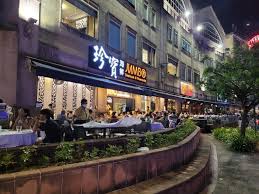
Singapore is a vibrant culinary paradise that offers a diverse range of food experiences, from local hawker centers to Michelin-starred fine dining restaurants. This guide covers everything you need to know to eat like a local, explore hidden gems, and enjoy world-class cuisine. We will also provide practical tips, neighborhood breakdowns, must-try dishes, and cultural context to ensure your dining experience is unforgettable.
Neighborhood Food Exploration
Chinatown
Chinatown is a bustling hub where traditional Chinese flavors meet modern dining trends. It is home to historic hawker centers, dim sum restaurants, and fusion eateries.
- Maxwell Food Centre: Famous for Tian Tian Hainanese Chicken Rice. Price range: $3-$5 per dish.
- Chinatown Complex Food Centre: Offers local favorites such as char kway teow and satay. Best time to visit: lunch hours 12-2 PM.
- Ann Siang Hill: Boutique restaurants with contemporary Asian cuisine. Ideal for dinner or evening outings.
Little India
Little India is rich with South Indian and Southeast Asian culinary delights. The streets are filled with spice shops, vegetarian eateries, and traditional sweet stalls.
- Tekka Centre: Popular for dosai, biryani, and Indian-style snacks. Early morning is the best time for breakfast.
- Mustafa Centre food court: Budget-friendly Indian meals and desserts.
- Serangoon Road restaurants: A mix of traditional Indian, fusion, and modern cafes.
Marina Bay
Marina Bay is known for luxury dining, international cuisine, and scenic waterfront restaurants.
- Ce La Vi: Fine dining with panoramic views of the city. Signature dishes include seafood and contemporary Asian cuisine.
- Marina Bay Sands food court: Offers affordable options for tourists including local and international cuisines.
- Satay by the Bay: Casual dining with traditional Singaporean barbecue and seafood.
East Coast
East Coast offers a relaxed seaside dining atmosphere with seafood, local favorites, and outdoor eateries.
- East Coast Lagoon Food Village: Famous for BBQ stingray and fried oyster omelets.
- Joo Chiat and Katong area: Known for Peranakan cuisine, laksa, and traditional coffee shops.
- East Coast Park restaurants: Ideal for weekend brunches, seafood dinners, and family-friendly meals.
Orchard and Civic District
The Orchard Road and Civic District combine shopping with casual and fine dining options.
- ION Orchard dining: International chains and upscale restaurants.
- Raffles Hotel Long Bar: Known for the iconic Singapore Sling cocktail and colonial-era dining.
- Museum district cafes: Offers artisanal coffee and light meals for cultural explorers.
Must-Try Singaporean Dishes
Hainanese Chicken Rice
- Poached chicken served with fragrant rice and chili sauce. Found in hawker centers and restaurants. Recommended at Tian Tian Chicken Rice and Loy Kee.
Chili Crab
- Singapore’s signature seafood dish, rich in chili-tomato sauce. Best at Jumbo Seafood, No Signboard Seafood, and Red House.
Laksa
- Spicy coconut-based noodle soup. Famous at 328 Katong Laksa and Sungei Road Laksa.
Satay
- Grilled skewers of meat served with peanut sauce. Found at Lau Pa Sat, East Coast Lagoon, and various night markets.
Char Kway Teow
- Stir-fried flat rice noodles with eggs, prawns, Chinese sausage, and bean sprouts. Notable stalls at Chinatown Complex and Old Airport Road Food Centre.
Rojak
- Local fruit and vegetable salad tossed in a sweet and tangy shrimp paste sauce. Best at Tiong Bahru Market and Geylang Rojak.
Kaya Toast & Kopi
- Traditional breakfast of coconut jam toast and strong local coffee. Popular at Ya Kun Kaya Toast and Killiney Kopitiam.
Hokkien Mee
- Stir-fried noodles with prawns and squid, often served with sambal chili and lime. Famous stalls at Geylang and Old Airport Road.
Fine Dining and Michelin-Starred Restaurants
Singapore is home to world-class fine dining with a mix of local and international cuisines. These restaurants offer elevated culinary experiences and unique presentations.
- Shoukouwa: Authentic Edomae sushi with Michelin recognition. Reservation recommended months in advance.
- Odette: French-inspired fine dining, located in the National Gallery. Known for seasonal tasting menus.
- Les Amis: Classic French cuisine with extensive wine selections. Perfect for special occasions.
- JAAN: Modern European cuisine with panoramic city views. Focuses on presentation and taste harmony.
- Burnt Ends: Contemporary barbecue with open kitchen experience. Recommended for adventurous foodies.
Hawker Centers and Budget-Friendly Eats
Hawker centers provide affordable, authentic, and diverse food experiences.
- Maxwell Food Centre: Chicken rice, char kway teow, fishball noodles.
- Chinatown Complex: Laksa, satay, Hainanese pork chop.
- Lau Pa Sat: Satay street with late-night dining.
- Old Airport Road Food Centre: Local favorites including Hokkien mee, prawn noodles, and carrot cake.
- Tiong Bahru Market: Trendy hawker hub with traditional and modern stalls.
Tips for hawker center dining:
- Go early to avoid long queues.
- Bring cash as some stalls may not accept cards.
- Observe locals to identify popular dishes.
Vegetarian and Vegan Options
Vegetarian and vegan options in Singapore are increasing, with a focus on health-conscious and plant-based cuisine.
- Real Food: Organic, vegetarian, and vegan-friendly menu.
- VeganBurg: Plant-based burgers and creative sides.
- Gokul Vegetarian Restaurant: Indian vegetarian cuisine with authentic flavors.
- Afterglow by Anglow: Upscale vegan dishes with fusion style.
- Original Sin: Mediterranean vegetarian options in a casual setting.
Cultural and Culinary Context
Understanding Singapore’s food culture enhances your dining experience.
- Hawker culture: A UNESCO-recognized heritage, emphasizing communal eating and street food authenticity.
- Peranakan cuisine: A unique blend of Chinese and Malay flavors, emphasizing rich spices and traditional methods.
- Food festivals: Events like Singapore Food Festival highlight local and international culinary innovation.
- Fusion and modern trends: Chefs increasingly blend traditional recipes with global influences.
Practical Tips for Dining in Singapore
- Budgeting: Hawker meals range $3-$8; casual dining $10-$30; fine dining $80 and above.
- Transport: Most food centers are MRT-accessible. Walking tours are recommended for neighborhoods like Chinatown and Little India.
- Dining etiquette: Tipping is not mandatory; self-service is common in hawker centers.
- Peak hours: Lunch 12-2 PM and dinner 6-9 PM. Plan ahead for popular restaurants.
- Food apps: Use GrabFood or Deliveroo for convenience and recommendations.
Hidden Gems and Local Favorites
- Zion Riverside Food Centre: Authentic local dishes, less touristy.
- Adam Road Food Centre: Famous for nasi lemak and traditional breakfast.
- Tiong Bahru Bakery: Artisan pastries with a local twist.
- Holland Village cafes: Mix of casual dining and trendy coffee spots.
- Bukit Timah eateries: Diverse Asian cuisines, popular with locals.
Foodie Experiences Beyond Eating
- Cooking classes: Learn to make laksa, chili crab, or Hainanese chicken rice.
- Food tours: Guided tours with locals, visiting hidden hawker gems.
- Night markets: Experience street food culture and night-time delicacies.
- Food photography tours: Capture Singapore’s culinary scene through the lens.
Dining by Time and Occasion
Breakfast
- Kaya toast with kopi at local kopitiams.
- Indian or Malay breakfast options at hawker centers.
Lunch
- Hawker centers and food courts offer variety and affordability.
- Light meals at cafes or fast-casual restaurants.
Dinner
- Fine dining, waterfront restaurants, or evening hawker feasts.
- Satay street and seafood barbecue options.
Late Night
- Lau Pa Sat satay street
- 24-hour coffee shops and dessert spots
- Night hawker markets with local favorites
Special Dietary Needs
- Gluten-free options: Many international restaurants offer GF pasta, rice, and salads.
- Vegan and vegetarian restaurants increasingly available across neighborhoods.
- Allergy-friendly menus: Check with staff at fine dining restaurants.
Planning Your Food Journey
- Map your destinations: Group eateries by neighborhood.
- Schedule meals by type: Hawker breakfast, casual lunch, fine dining dinner.
- Budget wisely: Mix affordable and splurge meals.
- Experience variety: Local, Peranakan, fusion, fine dining.
- Document your experience: Photos and notes for future reference.
Summary
Singapore offers an unparalleled culinary experience that ranges from humble hawker stalls to world-class fine dining. Understanding neighborhood specialties, iconic dishes, cultural context, and practical dining tips ensures an immersive experience. By exploring hidden gems, embracing local favorites, and planning meals around time, budget, and dietary preferences, anyone can enjoy the full spectrum of Singapore’s gastronomic delights. This guide provides a comprehensive framework for both first-time visitors and seasoned food explorers to navigate Singapore’s vibrant food scene.
End of Content.
Leave a Reply